Raw Turmeric

Raw Turmeric

40.00 INR/Kilograms

Product Details:

  • Purity(%) 98-100
  • Physical Form Whole Rhizomes
  • Usage Culinary, Medicinal, Spice, Dye
  • Moisture (%) 10-15
  • Variety Curcuma longa
  • Flavor Warm, Peppery, Mildly Bitter
  • Oil Content % 3-6
  • Click to View more
X

Raw Turmeric Price And Quantity

  • 40.00 INR/Kilograms
  • 100 Kilograms

Raw Turmeric Product Specifications

  • Varies (Typically 50-150g per rhizome)
  • First Class
  • 100% Turmeric Root
  • 3-6
  • 10-15
  • Curcuma longa
  • Earthy, Spicy, Slightly Bitter
  • Fresh
  • Raw Turmeric
  • Cool, Dry Place, Away from Direct Sunlight
  • 3-6 Months (under proper storage)
  • Warm, Peppery, Mildly Bitter
  • 98-100
  • Whole Rhizomes
  • Yellowish-Orange
  • Culinary, Medicinal, Spice, Dye
  • Raw
  • Strong, Pungent
  • Organic / Conventional
  • Jute Bag / Mesh Bag / Customized
  • Pesticides, Adulterants
  • Suitable
  • Winter (Dec-Feb)
  • Smooth to Slightly Wrinkled
  • Gluten Free, Non-GMO
  • Curcumin, Volatile Oils, Demethoxycurcumin, Bisdemethoxycurcumin

Raw Turmeric Trade Information

  • Cash Advance (CA)
  • 5000 Kilograms Per Month
  • 10 Days
  • All India

Product Description

The term "raw turmeric" refers to the turmeric plant's (Curcuma longa) fresh, uncooked rhizome before it is dried or cooked. The part of the plant that is generally collected is the root, which has a number of culinary and medicinal uses.

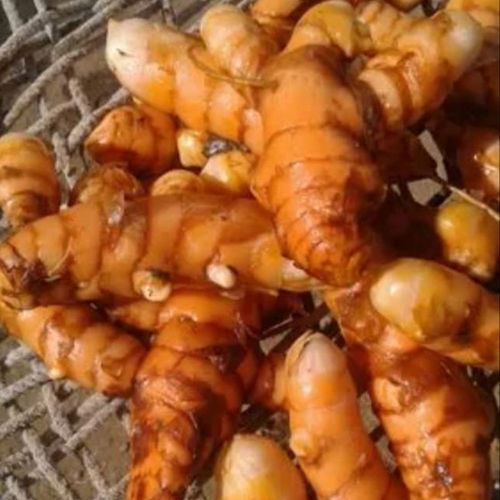
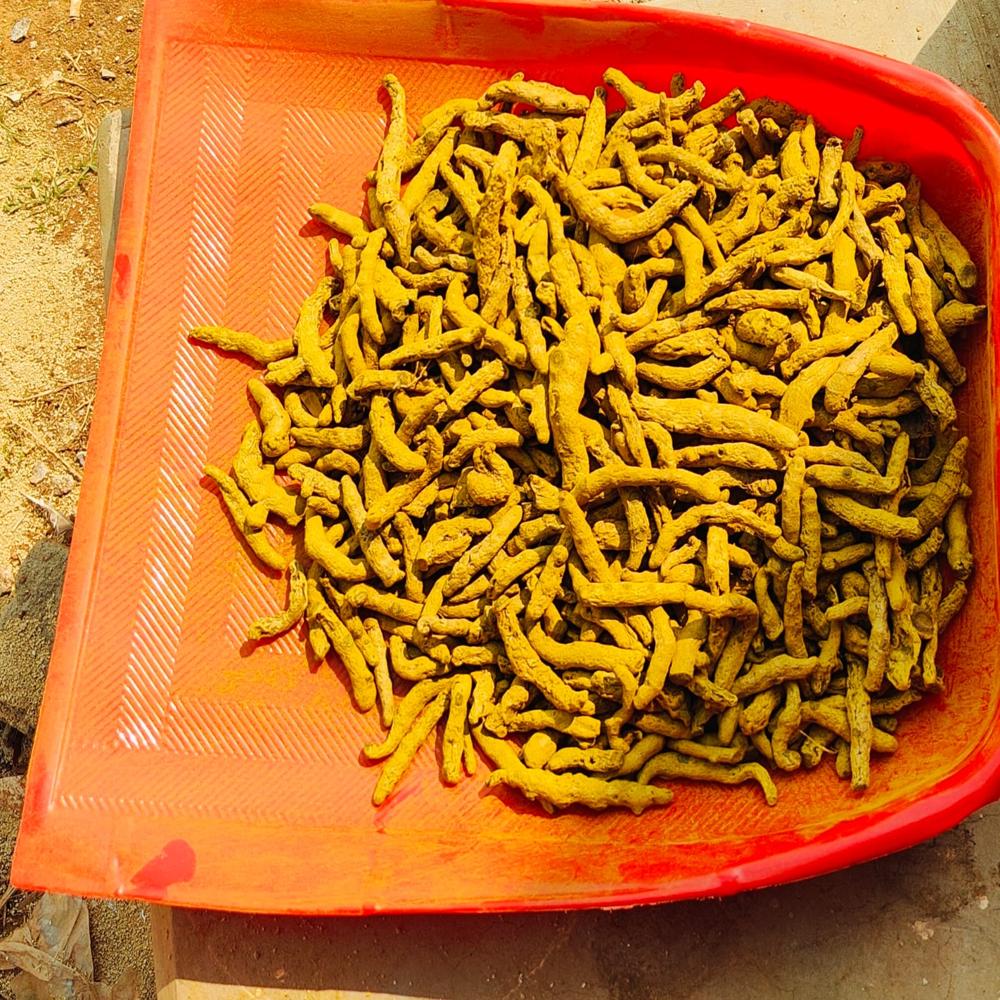
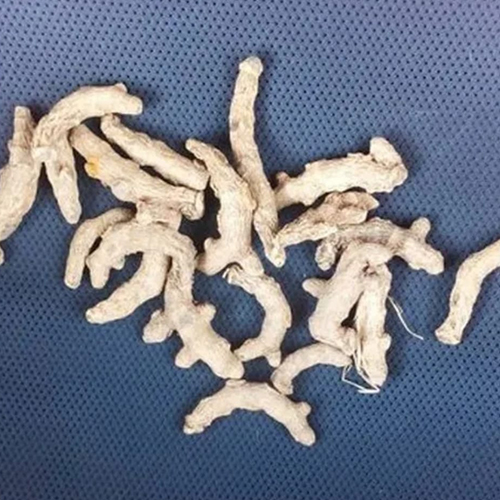
The look of raw turmeric is quite similar to that of dried turmeric, with a rough brown outside and a vivid orange-yellow interior. The same active ingredients are present, including curcumin, which is well known for its potential health advantages.

Raw turmeric can be used in cooking by grating, slicing, or chopping it, then adding it to meals to enhance flavour and colour. In Asian cooking, it is frequently used, especially in curries, stir-fries, and soups. When added to food, raw turmeric gives it a characteristic earthy and slightly bitter flavour.

Additionally, raw turmeric can be used to smoothies or juices to add colour and a mild flavour. For a health boost, some people like to make "turmeric shots" by juicing raw turmeric with other ingredients like ginger, lemon, and black pepper.

Raw turmeric is frequently utilised medicinally in conventional medical systems like Ayurveda and traditional Chinese medicine. Anti-inflammatory, antioxidant, and antibacterial properties are thought to exist in it. As part of their wellness practise, some people drink raw turmeric or its juice to improve general health and wellbeing.

It's crucial to remember while working with raw turmeric that because of its vivid colour, it can leave stains on surfaces, clothing, and even skin. It is advised to use it carefully and handle it with care.

Overall, raw turmeric is a flexible food that may be added to a variety of dishes and treatments. Fresh turmeric is a popular option for people looking to add it into their diet or wellness programme because it has a vibrant flavour and colour.

FAQ

1. What is uncooked turmeric?

Ans - Asian cuisine frequently uses raw turmeric, a root vegetable, as a spice or condiment. It tastes slightly bitter and is a vivid yellowish-orange colour. Most frequently, it is added to curries and other foods or used as a natural dye.

2. What are the advantages of raw turmeric for health?

Ans - Curcumin, which has anti-inflammatory qualities and may help reduce the risk of heart disease and cancer, is highly concentrated in raw turmeric. In addition, fresh turmeric has high levels of potassium, magnesium, iron, and B vitamins.

3. How can I utilise uncooked turmeric?

Ans - Both fresh and dried raw turmeric can be utilised. It is frequently grated and used as a garnish or made into a powder and added to food. Additionally, it can be eaten fresh in salads or boiled and prepared like a vegetable.

4. How should I keep uncooked turmeric?

Ans - Fresh turmeric needs to be kept in a cold, dry environment. The root should be wrapped in a paper towel and stored in the refrigerator in a plastic bag or container that is tightly closed. For up to a year, dried turmeric can be kept in an airtight container in a cool, dark location.

5. How much uncooked turmeric should I add to my food?

Ans - If you've never cooked with turmeric before, it's better to take it easy at first. A teaspoon of fresh or ground turmeric per serving is a good starting point; you can gradually increase the amount as you get used to it. Use one part of the root for every teaspoon of the crushed powder if using fresh turmeric.


Exceptional Quality Turmeric Sourced from India

Grown organically or conventionally, our raw turmeric is carefully harvested in India's prime winter months to ensure highest curcumin content and purity. With rigorous grading and export-ready preparation, only first-class rhizomes-free from pesticides and adulterants-are selected. Each batch is packed under hygienic conditions, offering distributors and manufacturers the confidence of consistent quality and freshness.


Versatile Applications and Distinctive Flavor Profile

Raw turmeric's earthy, warm, and mildly bitter flavor makes it a favored ingredient for culinary, medicinal, and dye uses. Whether grated into recipes, brewed as tea, or processed for herbal preparations, its strong, pungent aroma and potent curcumin content render it effective both as a spice and a wellness ingredient. Its non-GMO, gluten-free assurance ensures wide suitability across global markets.

FAQ's of Raw Turmeric:


Q: How should raw turmeric with skin be stored to maintain its freshness?

A: Raw turmeric must be kept in a cool, dry place, away from direct sunlight and moisture. Proper storage in breathable bags, such as jute or mesh, helps preserve its freshness and aroma for up to 3-6 months.

Q: What are the key benefits of using this variety of raw turmeric?

A: This turmeric is rich in curcumin and volatile oils, offering natural anti-inflammatory, antioxidant, and healing properties. Its purity, absence of pesticides, and high oil content ensure enhanced flavor, medicinal value, and safety.

Q: When is this raw turmeric harvested and why is this timing important?

A: Harvested during the winter months (December to February), this timing allows optimal accumulation of curcumin and volatile oils, ensuring robust color, flavor, and aroma for which Indian turmeric is renowned.

Q: Where does this raw turmeric originate and how is its quality ensured?

A: Sourced from India, the turmeric undergoes rigorous grading and quality checks to meet export standards. Both organic and conventional options are available, catering to various market needs.

Q: What makes this turmeric suitable for culinary, medicinal, and dye applications?

A: Its high curcumin concentration and warm, peppery flavor make it ideal for culinary dishes and wellness products. The strong natural pigment lends itself to traditional dyeing and coloring uses.

Q: How is this product processed and packed for export and distribution?

A: The turmeric is minimally processed to retain its raw form and packed in customizable options like jute or mesh bags, ensuring ventilation and protection during transportation and storage.

Tell us about your requirement
product

Price:

Quantity
Select Unit

  • 50
  • 100
  • 200
  • 250
  • 500
  • 1000+
Additional detail
Mobile number

Email

Other Products in 'Natural Turmeric' category


Back to top